
15 Aug 2026
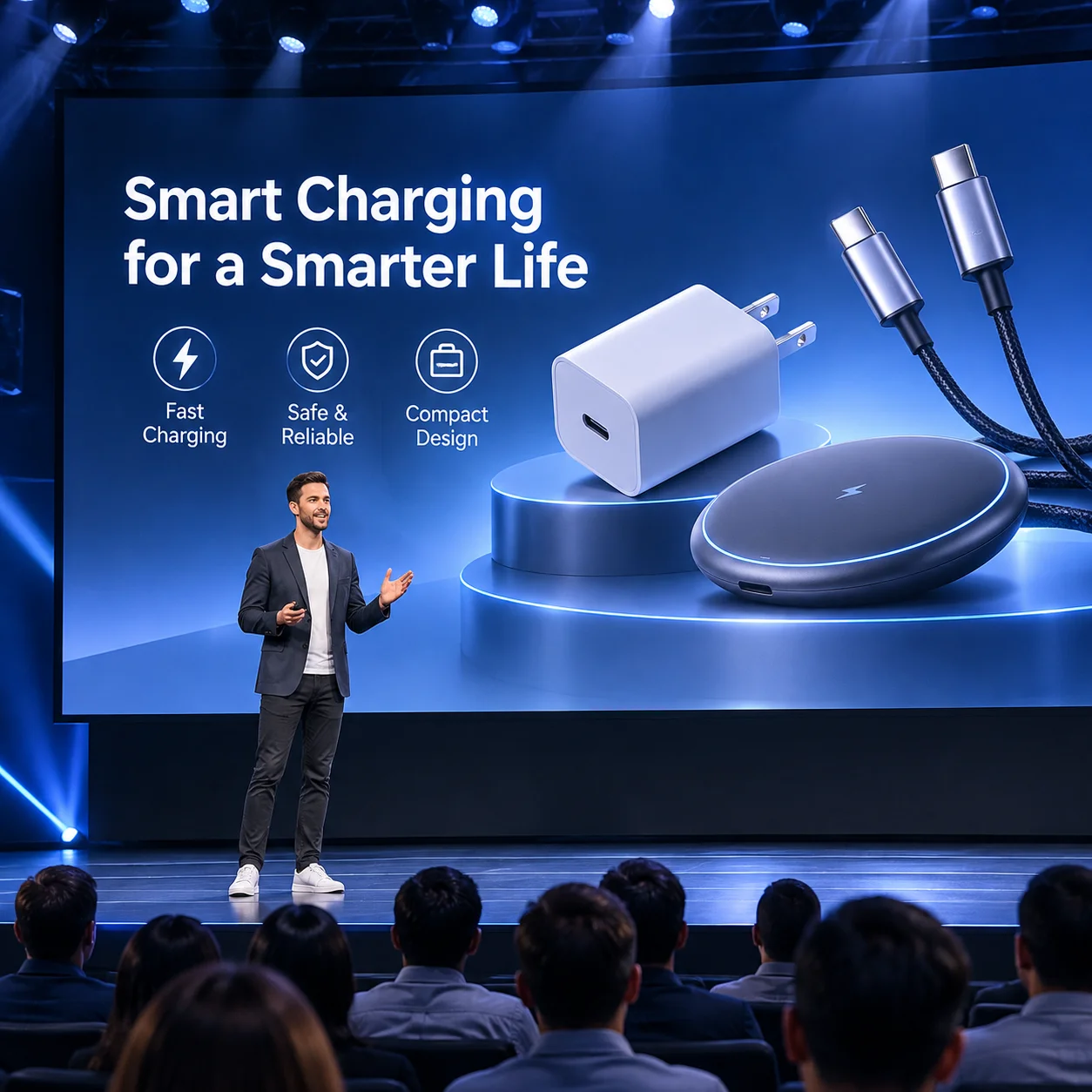
Belkin Qi2 25W Charging Lineup Announcement
Explore Belkin's high-efficiency Qi2 wireless pad integration and next-gen magnetic alignments.
Read More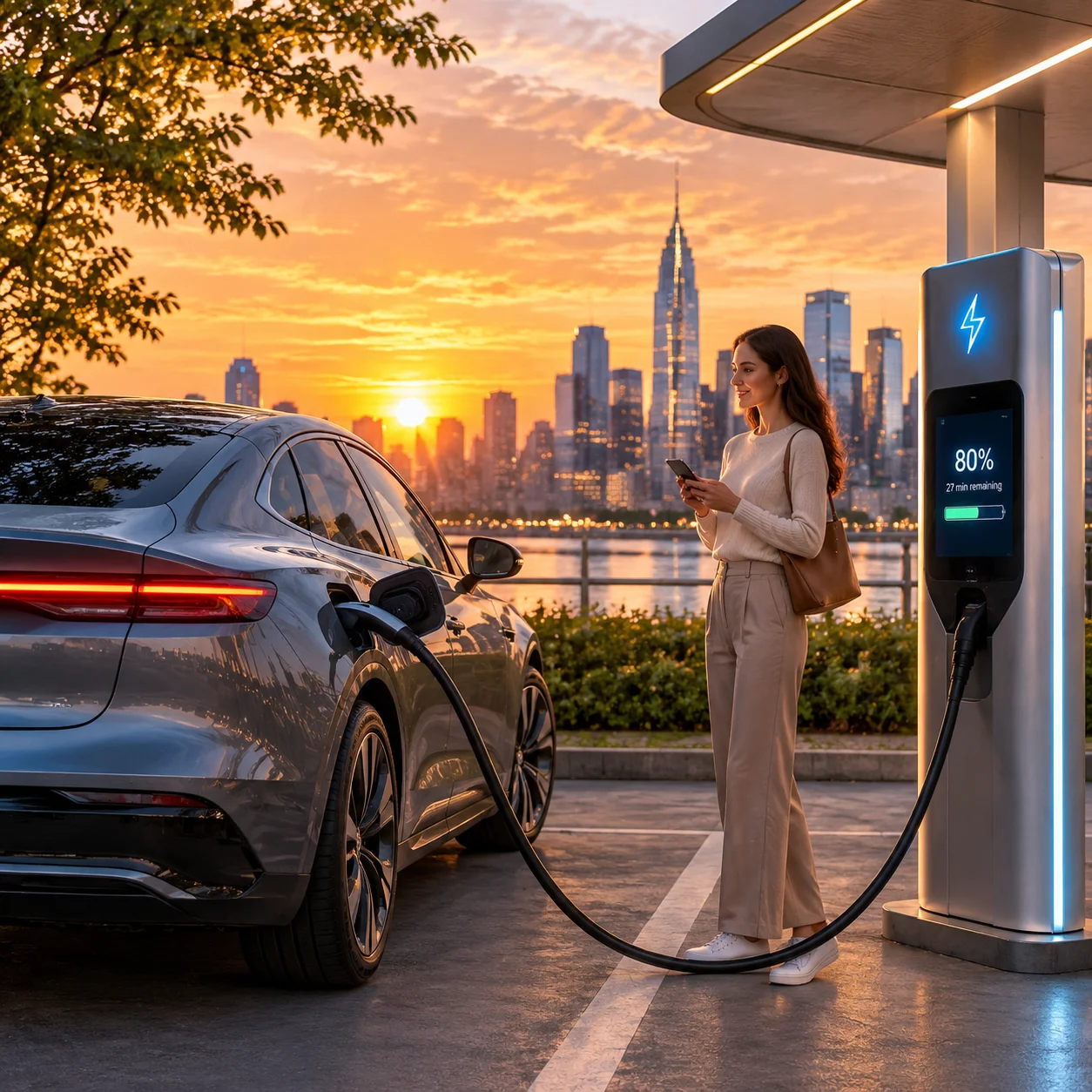
The 2026 State of EVs Report underscores an unprecedented inflection point in clean transport. Highlighting a 42% year-on-year surge in battery-electric vehicle registrations and massive highway corridor investments, the findings reveal how reliable multi-megawatt charging hubs are finally eliminating range hesitation for long-distance drivers.
Australia and regional transport networks have witnessed remarkable momentum over the past twelve months. According to the Electric Vehicle Council's newly released State of EVs 2026 report, battery electric vehicles (BEVs) now account for more than 11.4% of total new light vehicle purchases nationwide. This surge reflects consumer demand moving beyond metropolitan commuters into regional fleets, light commercial delivery vans, and heavy-duty highway logistics.
The expansion of dedicated ultra-fast charging stations along major transit corridors has played a decisive role in changing consumer sentiment. With national funding programs accelerating deployment alongside private energy operators, the total number of high-power public DC plugs exceeded 4,800 active locations in late 2026, creating seamless interstate transit routes from Brisbane through Melbourne to Adelaide.
A central pillar of the 2026 report addresses power distribution dynamics and local sub-station integration. Commercial transit centers now integrate localized battery energy storage systems (BESS) alongside 350kW and 400kW DC dispensers. This hybrid architecture mitigates grid spikes during peak travel windows, allowing multiple vehicles to charge at optimal 800V charging curves simultaneously without triggering local substation curtailment.
“The transition has evolved from early adoption novelty into an industrial-scale necessity. Modern grid-tied charging stations and intelligent power-sharing hubs are building the foundation of tomorrow's zero-emission freight and daily passenger transit.”
Fleet operators report significant operational cost savings, with electric commercial vans registering a 38% reduction in lifecycle maintenance expenditures compared to legacy combustion counterparts. As smart charging management platforms and dynamic off-peak tariffs become standard, commercial fleets are increasingly timing high-throughput charging cycles around surplus solar and wind generation windows.
Direct insights into the Electric Vehicle Council's 2026 publication and market impact
Explore our industrial charging hardware, GaN adapters, multi-port hubs, and high-wattage power accessories tailored for modern electric ecosystems.
Explore Belkin's high-efficiency Qi2 wireless pad integration and next-gen magnetic alignments.
Read More
Comprehensive breakdown of updated regulatory criteria for dynamic wattage and thermal safety.
Read More
How modern IoT and connected charging hubs comply with new strict telemetry protection rules.
Read More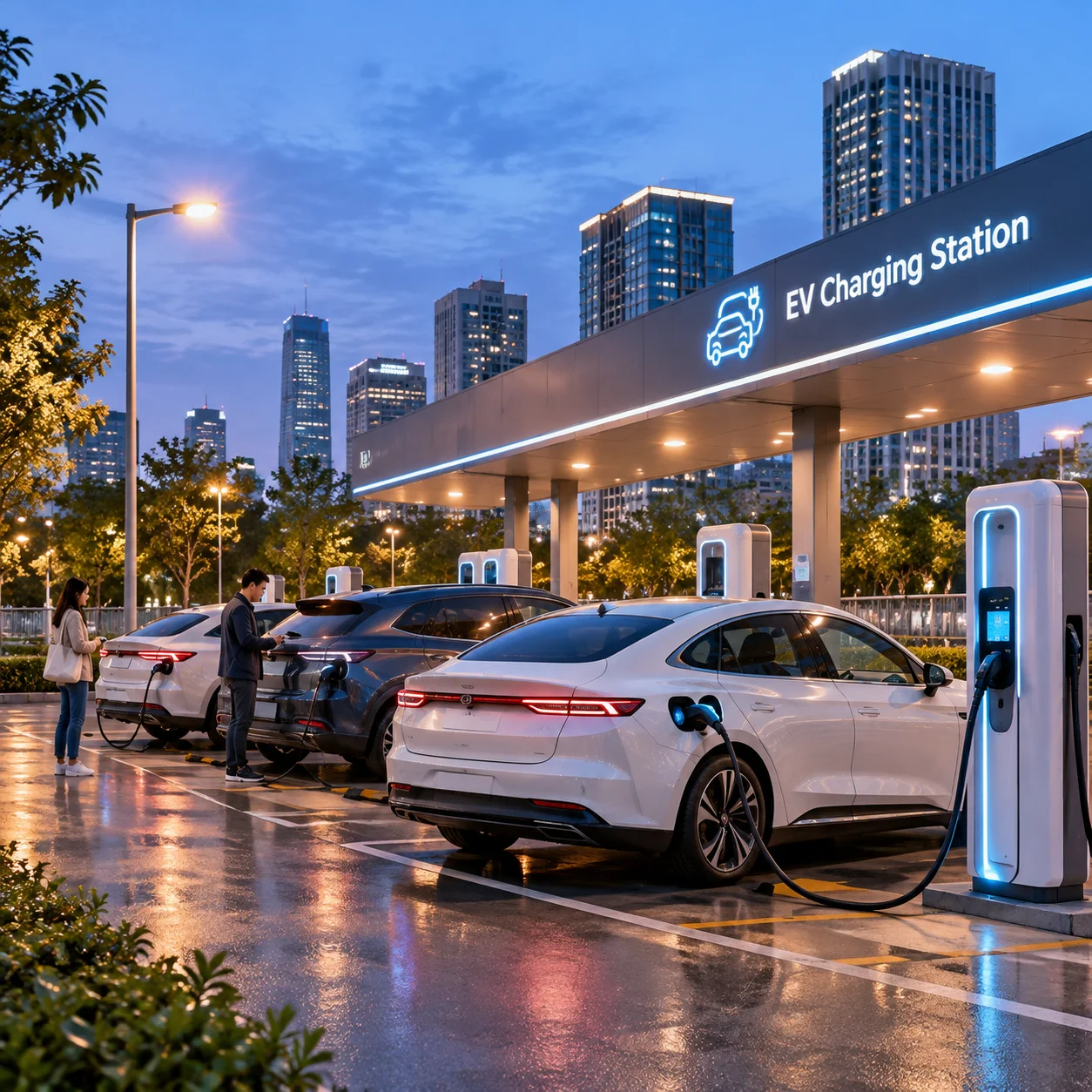
Evaluating public and residential power grid strain amidst rapid multi-device battery adoption.
Read MoreJoin the technical conversation with fellow tech enthusiasts
Incredible growth numbers for the EV sector this year.
Your input is welcome. All submissions are moderated before publishing.