15/08/2026
Belkin Qi2 25W Charging Lineup Announcement
Explore Belkin's high-efficiency Qi2 wireless pad integration and next-gen magnetic alignments.
Read More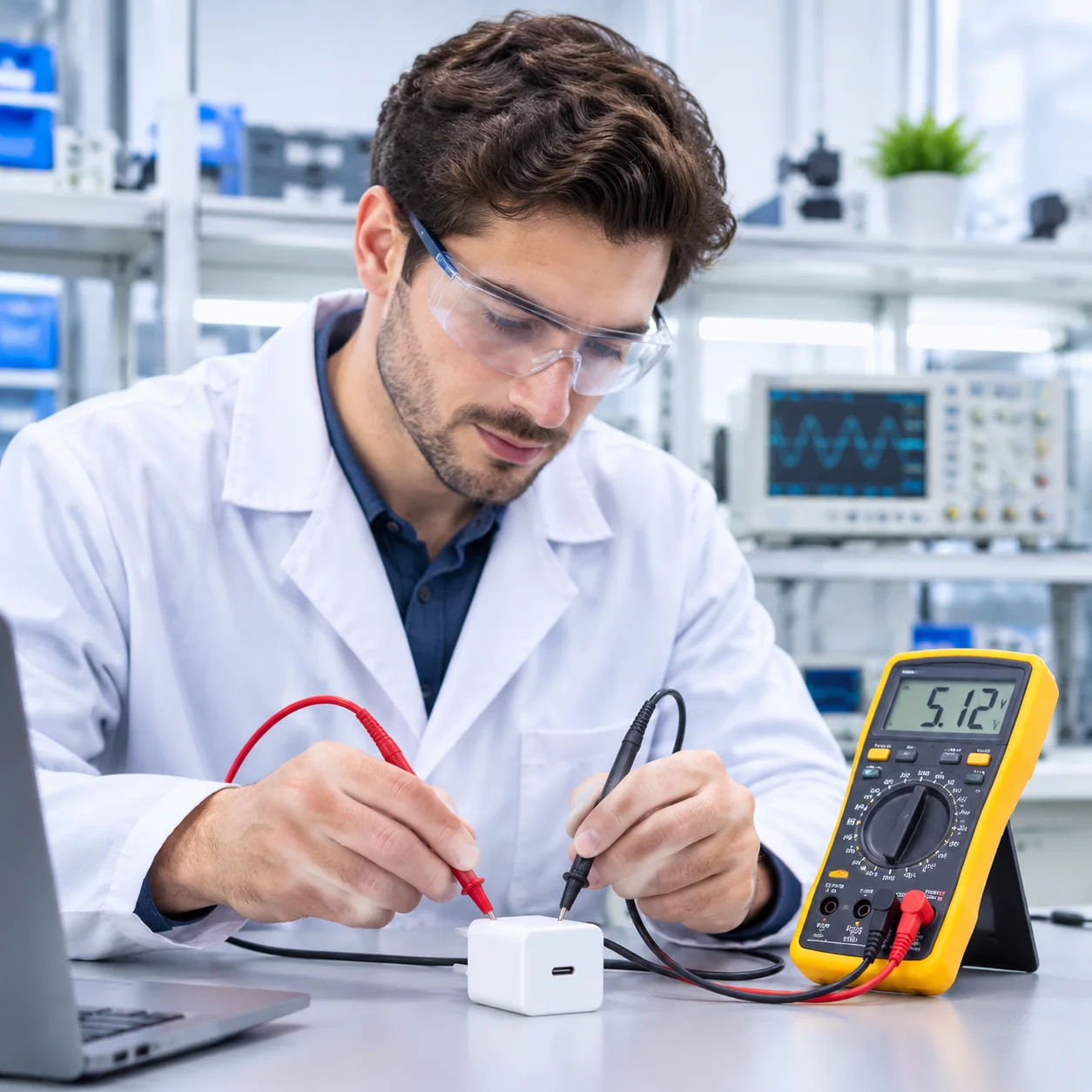
Rapid adoption of high-wattage USB Power Delivery up to 240W has prompted global testing authorities to establish tighter fault isolation, temperature cutoffs, and mechanical endurance rules for modern GaN adapters.
Modern USB Type-C charging hardware operates at power levels once reserved exclusively for bulky desktop power supplies. With the Extended Power Range (EPR) delivering up to 48V at 5A, regulators have updated international testing criteria to eliminate thermal runaway risks across consumer electronic devices.
The revised IEC 62368-1 directives introduce rigorous stress tests for Gallium Nitride (GaN) transistors and synchronous rectification circuits. Independent safety facilities now simulate severe voltage ripples, mechanical connector fatigue, and continuous load operations in high-ambient temperature chambers to verify physical enclosure tolerances.
Standardized multi-stage thermal monitoring now requires continuous sensing at the connector contact pins alongside internal GaN junctions. When surface temperatures approach critical thresholds, compliant power bricks step down output wattage in discrete 15-watt increments rather than shutting down abruptly, avoiding voltage spikes on sensitive receiver motherboards.
Ensuring reliable dynamic handshakes between high-output wall adapters and recipient hardware prevents irreversible connector arcing and excessive contact oxidation.
Beyond thermal cutoffs, firmware certification protocols mandate cryptographic safety handshakes for any output exceeding 60W. Unverified or damaged cables immediately restrict the charging channel to legacy 5V power rails, protecting both the battery chemistry and internal circuitry from destructive overvoltage transients.
Common technical questions regarding updated USB-C compliance and charger certifications
Explore our catalog of fully certified GaN chargers and power delivery hardware built to meet the latest safety standards.
Explore Belkin's high-efficiency Qi2 wireless pad integration and next-gen magnetic alignments.
Read More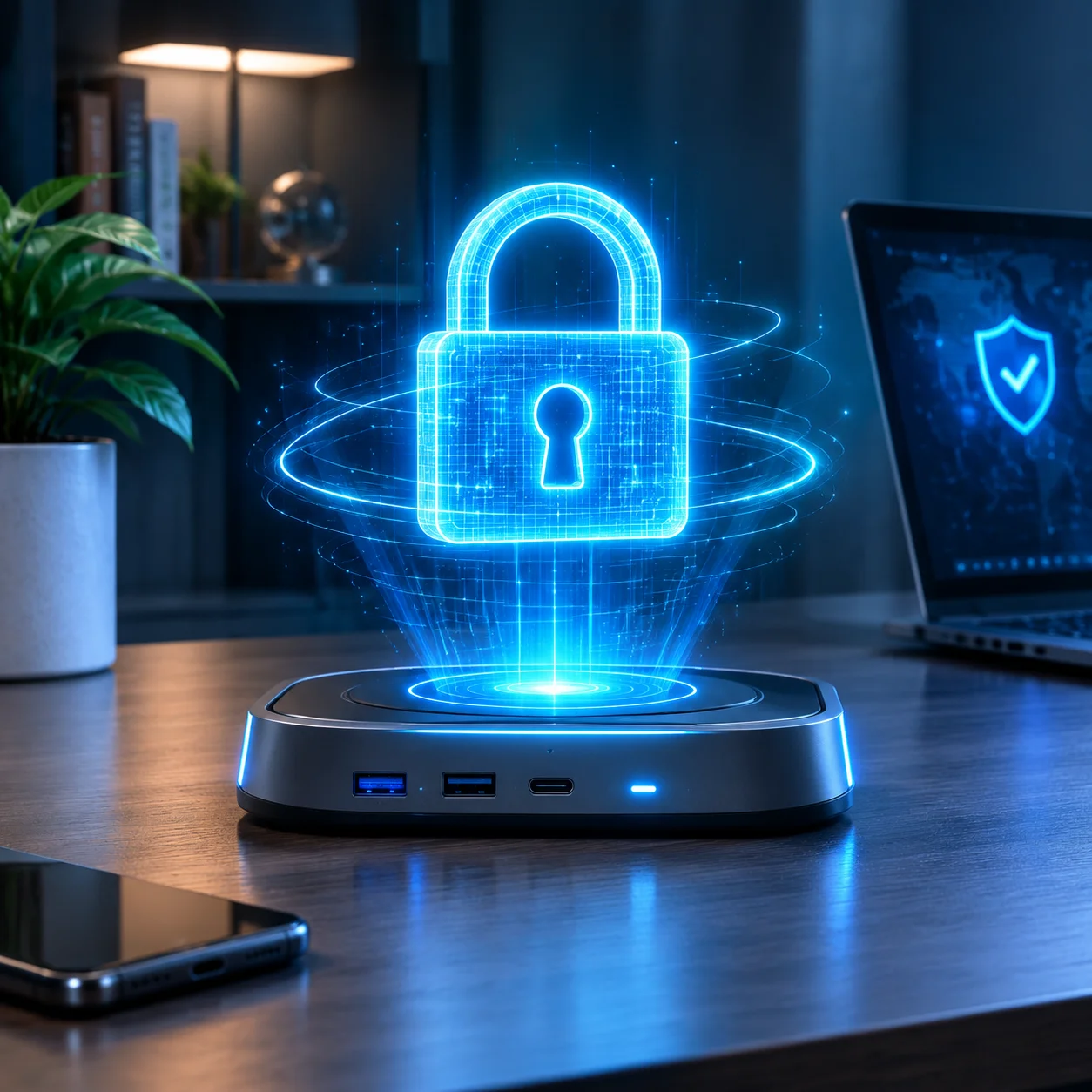
How modern IoT and connected charging hubs comply with new strict telemetry protection rules.
Read More
Evaluating public and residential power grid strain amidst rapid multi-device battery adoption.
Read More
Evaluating nationwide commercial charging deployments and regulatory impacts across Australia.
Read MoreJoin the technical conversation with fellow tech enthusiasts
Good update, safety first when dealing with high wattage.
Your input is welcome. All submissions are moderated before publishing.