
15/08/2026
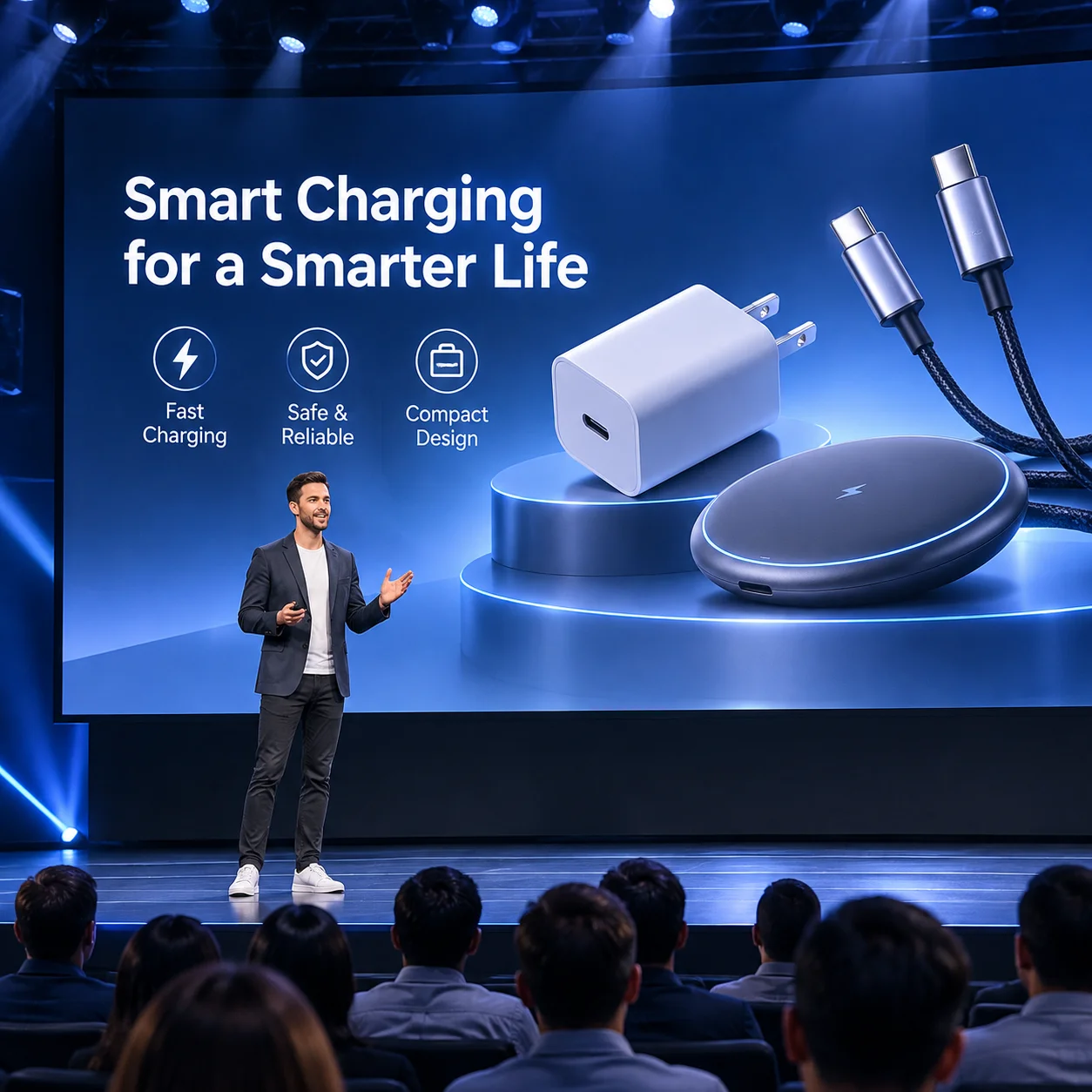
Belkin Qi2 25W Charging Lineup Announcement
Explore Belkin's high-efficiency Qi2 wireless pad integration and next-gen magnetic alignments.
Read More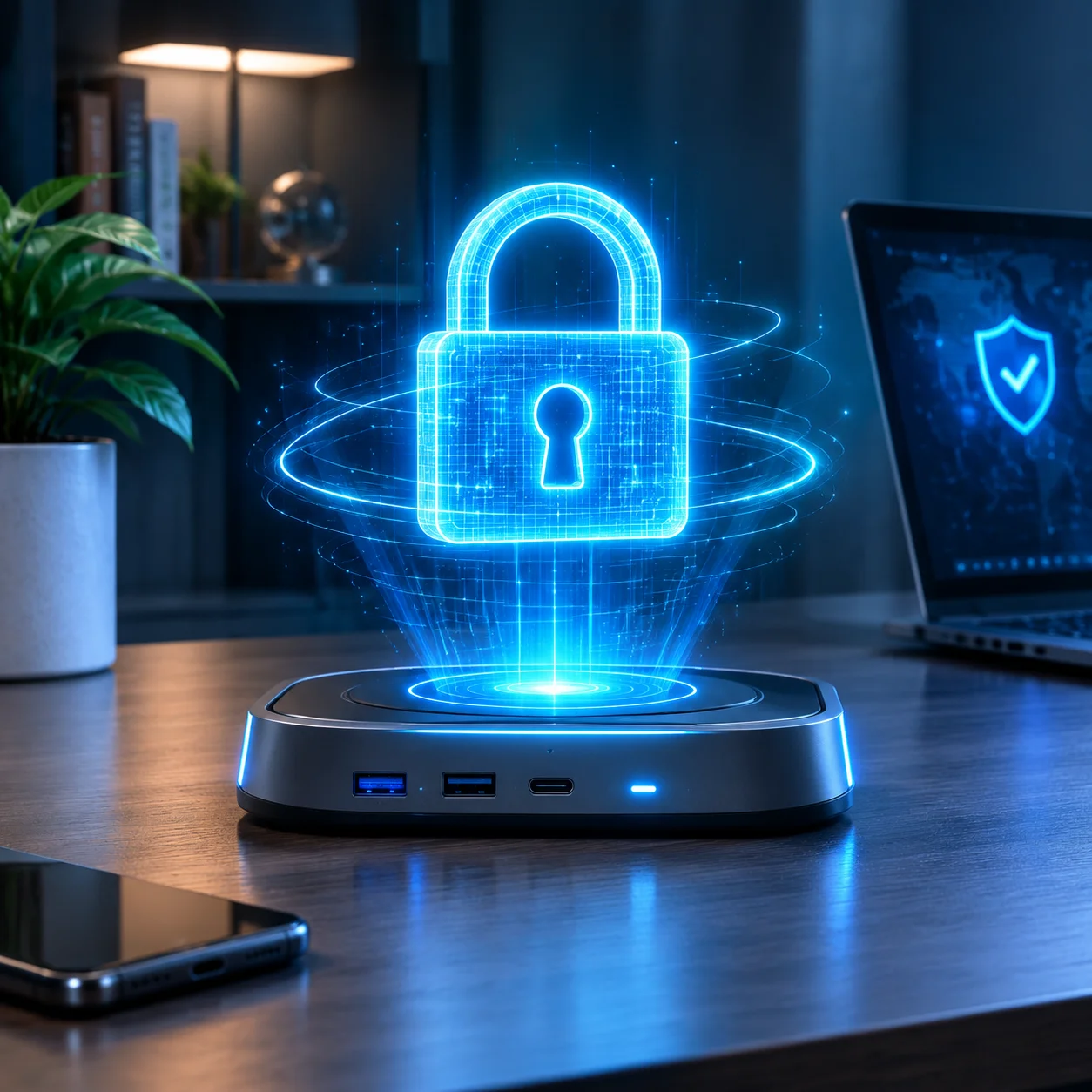
As USB-C hubs, desktop charging stations, and IoT power banks integrate Wi-Fi, Bluetooth, and telemetry tracking, they expose critical entry points to domestic and corporate networks. Regulatory bodies are now rolling out strict security frameworks to ensure every connected adapter implements cryptographic handshake verification.
Multi-port fast chargers and desktop smart power distribution hubs are no longer dumb power supplies. Modern multi-watt GaN docking stations house advanced 32-bit ARM microcontrollers, continuous telemetry monitors, and wireless connectivity to optimize charging curves across multiple laptops and smartphones simultaneously. However, this increased computing capability turns smart charging stations into addressable network endpoints. Unprotected endpoints can easily become vulnerable vectors for lateral network exploitation and malicious firmware tampering.
The newly adopted smart device cyber security rules mandate that every mains-powered peripheral possessing data communication capabilities must incorporate tamper-resistant cryptographic co-processors. Manufacturers must eliminate default factory credentials, seal internal serial debugging interfaces, and deploy mutual TLS authentication whenever chargers synchronize charge metrics with mobile companion applications or cloud monitoring services.
Fast-charging protocols like USB Power Delivery (USB-PD) 3.1 negotiate voltage steps up to 48V via serial communication channels directly over the CC line. The new baseline cybersecurity standards strictly segregate power negotiation logic from general peripheral microcode. This hardware isolation prevents rogue devices from executing arbitrary command sequences or injecting corrupted controller firmware through high-speed charging cables.
Securing the power layer represents the final frontier of IoT perimeter defense. When electricity carries digital data, every watt must be cryptographically verified before handshake completion.
Consumers and enterprise network engineers alike must now verify hardware compliance badges before introducing high-output multiport stations into corporate environments. Looking ahead, hardware vendors will also be legally required to provide verifiable security patch lifecycles for at least five years from the date of commercial distribution.
Straightforward insights into how new consumer hardware regulations protect your personal devices and networks.
Explore our curated catalog of fully certified GaN power adapters, shielded cables, and secure smart charging stations designed for ultimate safety and performance.
Explore Belkin's high-efficiency Qi2 wireless pad integration and next-gen magnetic alignments.
Read More
Comprehensive breakdown of updated regulatory criteria for dynamic wattage and thermal safety.
Read More
Evaluating public and residential power grid strain amidst rapid multi-device battery adoption.
Read More
Strategic market analysis on domestic electric vehicle adoption, home wallbox updates, and public charging network rollouts.
Read MoreJoin the technical conversation with fellow tech enthusiasts
Smart chargers definitely need better security protocols.
Your input is welcome. All submissions are moderated before publishing.